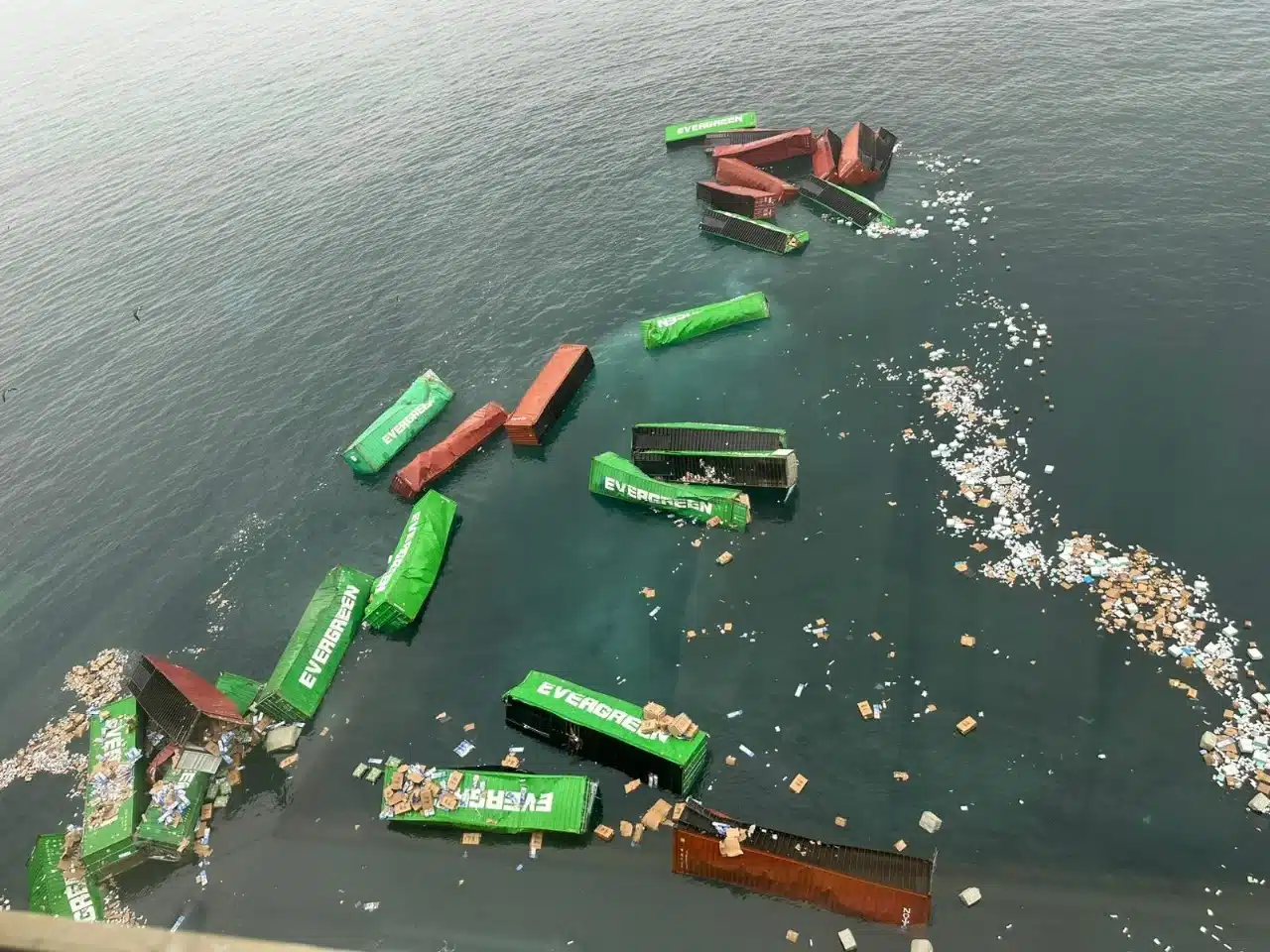
Category: QMS Marine News

  • Ever Lunar Container Loss at Callao Port: Complete Maritime Analysis

    Ever Lunar Container Loss at Callao Port: Complete Maritime Analysis

    Introduction to the Ever Lunar Container Loss at Callao Port, Peru Maritime Incident

    The maritime industry witnessed a significant container loss incident on August 1, 2025, when the Evergreen Marine-operated containership Ever Lunar experienced severe rolling conditions while anchored at Callao Port, Peru.

    This comprehensive analysis examines the Ever Lunar container loss at Callao Port, Peru, providing detailed insights into the causes, response procedures, and implications for the shipping industry.

    Vessel Specifications and Background

    The Ever Lunar, operating under Taiwanese flag, represents a significant asset in Evergreen Marine’s fleet operations.

    The vessel was positioned at Anchorage No. 1, approximately 3.9 nautical miles northeast of San Lorenzo Island when the incident occurred.

    Maritime records indicate the containership was awaiting port entry clearance during standard anchoring procedures at the time of the container loss.

    Detailed Timeline of the Ever Lunar Container Loss at Callao Port, Peru

    Pre-Incident Conditions (July 30, 2025)

    A powerful earthquake in Russia’s Kamchatka region generated tsunami warnings across the Pacific Ocean.

    Peru’s maritime authorities activated emergency protocols, closing over 60 ports as preventive measures against potential tsunami impacts.

    These conditions created residual wave patterns and unusual sea states that would persist for several days following the initial alert.

    The Incident Day (August 1, 2025)

    Morning Hours (09:40-10:30 Local Time)

    The Evergreen Marine container ship accident began when the Ever Lunar experienced sudden severe rolling motions while at anchor.

    Approximately 50 containers fell overboard from the vessel’s stern section during these extreme rolling conditions.

    Time discrepancies exist between official reports, with Evergreen citing 09:40 AM and Peru’s National Port Authority reporting 10:30 AM.

    Immediate Response Protocol

    Callao Port closure tsunami waves response was implemented immediately following the container loss incident.

    The National Port Authority suspended all maritime traffic in the bay due to safety concerns including reduced visibility from fog and floating containers.

    Maritime patrol vessels were deployed to mark and track the positions of containers adrift in the harbor area.

    Operational Impact Assessment

    Terminal operations at major facilities including DP World and APM Terminals were temporarily suspended.

    Commercial vessel transit remained halted until navigation safety could be verified throughout the affected area.

    No injuries were reported among the Ever Lunar’s crew members during the incident.

    Port Reopening Operations

    Following comprehensive safety verification and container marking procedures, Callao Port reopened around 15:30-16:00 local time.

    Recovery operations were transferred to specialized marine salvage companies working in coordination with maritime insurers.
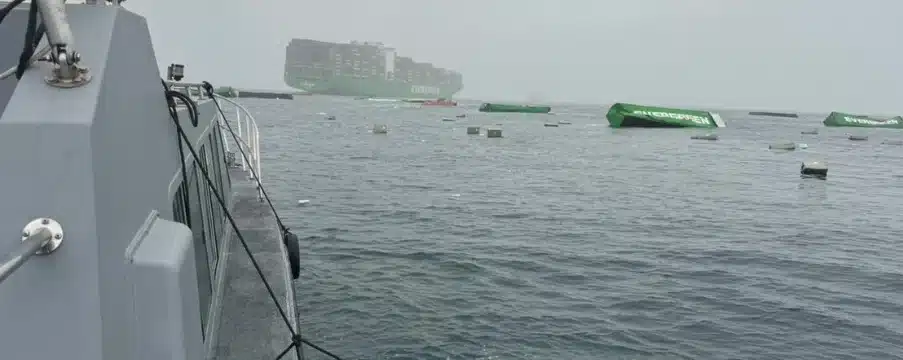
    Ever Lunar container loss at Callao Port

    Technical Analysis of Container Loss Causes

    Evergreen Marine’s Official Statement

    The shipping company reported that the vessel “suddenly experienced severe rolling” while awaiting port entry.

    Several contributing factors were identified in the preliminary assessment of the Ever Lunar container loss at Callao Port.

    Residual wave effects from the Russian earthquake tsunami warning system activation were cited as potential contributing factors.

    Environmental Factors

    Winter conditions along South America’s Pacific coast created additional challenges for vessel stability.

    Sudden swell patterns combined with residual tsunami wave effects created unpredictable sea conditions.

    Maritime experts noted these conditions were particularly challenging for container vessel operations.

    Container Securing Analysis

    Professional maritime sources suggest potential issues with container lashing systems under extreme rolling conditions.

    The concentration of container losses in the stern area indicates possible load distribution or securing system challenges.

    Investigation by Peru’s maritime authority continues to examine all technical aspects of the incident.

    Maritime Container Recovery Operations

    Immediate Recovery Response

    Specialized marine salvage teams were deployed to locate and secure floating containers.

    Containers were moved to designated safe zones to prevent navigation hazards and facilitate systematic recovery.

    Technical Recovery Challenges

    General Average marine insurance claims procedures were likely activated following the substantial container loss.

    Recovery operations face complex logistical challenges including water depth, container positioning, and weather conditions.

    Industry estimates suggest recovery operations could require 15-20 days for completion, depending on sea conditions.

    Equipment and Resources

    Crane barges and specialized lifting equipment are being deployed for container recovery operations.

    Maritime salvage companies are coordinating with insurance representatives to ensure proper recovery procedures.

    Environmental and Commercial Impact Analysis

    Environmental Considerations

    Initial assessments indicated no hazardous materials were contained in the lost containers.

    Contents reportedly included plastic products and electronics, reducing immediate environmental contamination risks.

    Long-term environmental monitoring continues to assess any potential impacts on marine ecosystems.

    Commercial Implications

    The Evergreen Marine container ship accident highlights ongoing challenges in Pacific shipping operations.

    This incident occurred shortly after another Evergreen vessel (Ever Feat) experienced similar container stability issues.

    Industry attention has focused on container securing practices and weather response protocols.

    Insurance and Legal Aspects

    General Average marine insurance claims procedures typically apply to incidents of this magnitude.

    Cargo owners may be required to provide financial guarantees before cargo release can occur.

    This standard maritime insurance practice helps distribute salvage and recovery costs among all interested parties.

    Port Operations and Safety Protocols

    Callao Port Authority Response

    Peru’s National Port Authority demonstrated effective emergency response protocols during the incident.

    The decision to implement Callao Port closure tsunami waves procedures proved essential for navigation safety.

    Coordination between maritime patrol vessels and commercial operators prevented additional incidents.

    Traffic Management Systems

    The temporary suspension of all bay traffic highlighted the importance of comprehensive maritime safety protocols.

    Electronic monitoring systems helped track container positions and maintain navigation safety.

    Reopening Criteria

    Systematic safety verification processes enabled same-day port reopening following the container loss incident.

    This rapid response minimized commercial disruption while maintaining essential safety standards.

    Industry-Wide Implications

    Container Securing Standards

    The Ever Lunar container loss at Callao Port, Peru, raises questions about current container securing practices.

    Maritime industry experts are examining whether existing lashing systems are adequate for extreme weather conditions.

    Weather Response Protocols

    The combination of tsunami warnings and severe weather conditions created unique challenges for vessel operations.

    Shipping companies may need to review anchoring and weather response procedures based on this incident.

    Technology Integration

    Modern vessel monitoring systems and weather forecasting tools play crucial roles in preventing similar incidents.

    Enhanced communication between port authorities and vessel operators proved essential during the emergency response.

    Recovery Operations Progress

    Salvage Coordination

    Professional marine salvage teams continue systematic recovery of the 50 lost containers.

    Coordination between insurers, salvage companies, and port authorities ensures efficient recovery operations.

    Timeline Expectations

    Industry experts estimate complete recovery operations may require several weeks depending on weather conditions.

    The complexity of underwater recovery operations depends on final container positions and sea floor conditions.

    Cost Implications

    Recovery costs for maritime container recovery operations typically reach significant amounts for incidents of this scale.

    General Average marine insurance claims help distribute these costs among cargo interests and vessel operators.

    Lessons Learned and Future Prevention

    Risk Assessment Improvements

    The incident highlights the need for enhanced risk assessment protocols during extreme weather events.

    Vessel operators must consider cumulative effects of multiple weather systems when making operational decisions.

    Communication Protocols

    Effective coordination between shipping companies and port authorities proved crucial during the incident response.

    Real-time information sharing enables better decision-making during maritime emergencies.

    Technology Applications

    Advanced weather monitoring and vessel stability systems could help prevent similar container loss incidents.

    Investment in improved container securing technology may reduce risks during severe weather conditions.

    Regulatory and Safety Considerations

    International Maritime Standards

    The Ever Lunar container loss at Callao Port will likely influence future international container securing standards.

    Maritime regulatory bodies may review current requirements for container lashing and vessel stability systems.

    Port Authority Protocols

    Callao Port’s effective emergency response demonstrates the importance of comprehensive maritime safety protocols.

    Other major ports may review their own emergency response procedures based on lessons learned from this incident.

    Conclusion

    The Ever Lunar container loss at Callao Port represents a significant case study in maritime emergency response and container vessel operations.

    The combination of tsunami-related wave conditions and severe weather created challenging circumstances that tested both vessel systems and port authority response capabilities.

    Effective coordination between Evergreen Marine container ship accident response teams and local authorities minimized potential impacts while ensuring navigation safety.

    The incident emphasizes the ongoing importance of robust container securing systems, comprehensive weather monitoring, and effective emergency response protocols in modern maritime operations.

    As recovery operations continue and investigations conclude, the maritime industry will gain valuable insights for preventing similar incidents and improving emergency response capabilities.

    The professional handling of this incident by all parties involved demonstrates the effectiveness of established maritime safety protocols while highlighting areas for potential improvement in extreme weather response procedures.


    Professional Maritime Survey Services

    When maritime incidents like the Ever Lunar container loss occur, professional marine surveying services become essential for proper assessment, documentation, and recovery operations. Qualitas Marine Surveyors provides comprehensive maritime expertise to support all parties involved in complex marine incidents.

    Our specialized services include Loss Prevention consultation to help identify and mitigate risks before incidents occur, comprehensive Damage Surveys to assess vessel and cargo conditions, and Expert Witness testimony for legal proceedings related to maritime claims and disputes.

    For container loss incidents and Cargo Loss, Damage and Loss Prevention services, our experienced team provides immediate response capabilities, accurate damage assessment, and detailed reporting to support insurance claims and recovery operations.

    Contact Qualitas Marine Surveyors today to ensure your maritime operations receive professional, experienced survey support when it matters most. Our international expertise and rapid response capabilities make us your trusted partner for all marine surveying needs.


    References:

  • SANY STS Crane Collapse at Singapore’s Tuas Port: Technical Analysis

    SANY STS Crane Collapse at Singapore’s Tuas Port: Technical Analysis

    On June 15, 2025, at 13:20 local time, a brand-new SANY STS crane collapse at Singapore’s Tuas Port, during delivery and installation procedures. This SANY STS crane collapse Singapore port analysis reveals critical insights into modern port equipment failure scenarios.

    The incident occurred at a non-operational berth within the Tuas Port expansion project. Remarkably, no injuries were reported, and port operations continued uninterrupted.

    Incident Overview and Timeline

    Initial Incident Report

    The SANY STS crane collapse Singapore port analysis begins with the Maritime and Port Authority of Singapore (MPA) and PSA Singapore joint statement confirming the incident. The ship-to-shore crane accident investigation commenced immediately following the collapse.

    At approximately 13:20 PM Singapore time, the double-trolley STS crane tipped over during positioning operations. Emergency response teams secured the area within minutes of the port equipment failure analysis requirements.

    Media Coverage Development

    June 16, 2025, marked intensive media coverage of the crane installation safety procedures breach. Channel News Asia and The Straits Times published comprehensive reports detailing the maritime infrastructure incident.

    Social media platforms circulated video footage showing the exact moment of collapse. The Online Citizen identified SANY Heavy Industry as the manufacturer, while Vertikal.net provided preliminary technical analysis.

    Technical Specifications and Analysis

    SANY STS Crane Specifications

    The collapsed crane represented cutting-edge port technology. SANY STS crane collapse Singapore port analysis reveals the following technical specifications:

    Lifting Capacity: 65 tons maximum operational load Front Reach: 73 meters across vessel beam Back Reach: 22 meters landside operations Lifting Height: 55 meters above rail level Rail Gauge: 35 meters between running rails Special Features: Intelligent 3D navigation system, double-trolley configuration

    Double-Trolley Technology Impact

    The ship-to-shore crane accident investigation focuses heavily on the double-trolley system. This advanced configuration allows simultaneous container handling operations, significantly improving throughput efficiency.

    However, the double-trolley design introduces additional structural complexity. Port equipment failure analysis experts note that this configuration requires precise weight distribution calculations during installation phases.

    Installation Procedure Analysis

    Standard STS Crane Installation Protocol

    Crane installation safety procedures typically involve multiple phases. The maritime infrastructure incident occurred during the critical positioning phase, when the crane structure transitions from transport configuration to operational setup.

    Professional installation teams follow strict protocols including foundation verification, structural assembly sequences, and comprehensive load testing. The SANY STS crane collapse Singapore port analysis suggests potential deviation from standard procedures.

    Risk Factors During Installation

    Ship-to-shore crane accident investigation reveals several critical risk factors. Foundation stability represents the primary concern during heavy crane positioning operations.

    Wind conditions, structural alignment precision, and temporary support systems all contribute to installation success. Port equipment failure analysis indicates that any single factor deviation can precipitate catastrophic outcomes.

    Singapore’s Tuas Port Development Context

    Mega-Project Significance

    Tuas Port represents Singapore’s most ambitious maritime infrastructure development. The facility aims to become the world’s largest automated container terminal by 2040.

    Current operational capacity includes 11 active berths, with expansion plans adding 7 additional berths through 2027. The SANY STS crane collapse Singapore port analysis occurs within this rapid development context.

    Operational Continuity

    Despite the maritime infrastructure incident, Tuas Port operations continued without disruption. Active berths maintained normal throughput levels, demonstrating robust operational segregation protocols.

    The ship-to-shore crane accident investigation benefits from this operational continuity, allowing detailed forensic analysis without time pressure from port closure requirements.

    Investigation Methodology and Findings of SANY STS Crane Collapse at Singapore

    Joint Investigation Approach

    MPA and PSA Singapore established a comprehensive investigation framework. The port equipment failure analysis incorporates multiple technical disciplines including structural engineering, materials science, and operational safety protocols.

    External technical experts supplement internal investigation capabilities. Crane installation safety procedures undergo complete review to identify potential improvement opportunities.

    Preliminary Findings Assessment

    While official conclusions remain pending, industry experts suggest several potential contributing factors. The SANY STS crane collapse Singapore port analysis considers foundation preparation adequacy, structural assembly sequence compliance, and environmental condition impacts.

    Maritime infrastructure incident investigations typically require 3-6 months for complete analysis. The ship-to-shore crane accident investigation follows established international protocols for heavy equipment failure assessment.

    Industry Impact and Safety Implications

    Rare Incident Classification

    Port equipment failure analysis experts emphasize the exceptional nature of this incident. STS crane collapses during installation represent extremely rare occurrences in modern port development.

    Historical data indicates that most crane accidents involve operational impacts with vessels or extreme weather events. The SANY STS crane collapse Singapore port analysis represents an unusual case study for the maritime industry.

    Global Safety Protocol Review

    Crane installation safety procedures worldwide undergo review following significant incidents. Port authorities globally examine their installation protocols against lessons learned from the maritime infrastructure incident.

    Equipment manufacturers also reassess delivery and installation guidance documentation. The ship-to-shore crane accident investigation findings will influence future industry standards development.

    Technical Failure Analysis Theories

    Structural Stability Considerations

    The SANY STS crane collapse Singapore port analysis explores multiple structural failure scenarios. Foundation settlement, inadequate temporary bracing, and assembly sequence deviations represent primary investigation areas.

    Double-trolley configurations require precise center-of-gravity calculations throughout installation phases. Port equipment failure analysis suggests potential miscalculation in weight distribution during positioning operations.

    Environmental Factor Assessment

    Singapore’s tropical climate presents unique challenges for crane installation safety procedures. High humidity, temperature variations, and wind conditions all influence structural stability during installation phases.

    The maritime infrastructure incident occurred during typical afternoon conditions, eliminating extreme weather as a primary contributing factor. Ship-to-shore crane accident investigation focuses on procedural and technical aspects rather than environmental causes.

    Economic and Operational Consequences

    Direct Financial Impact

    The SANY STS crane collapse Singapore port analysis includes substantial economic implications. Modern STS cranes represent multi-million-dollar investments, with replacement costs exceeding initial procurement expenses.

    Insurance coverage typically addresses equipment replacement costs, but project delays introduce additional financial considerations. Port equipment failure analysis includes comprehensive cost assessment for stakeholder evaluation.

    Schedule Impact Assessment

    Tuas Port development timeline faces potential delays from the maritime infrastructure incident. Crane installation safety procedures require comprehensive review before additional equipment deployment.

    The ship-to-shore crane accident investigation timeline directly impacts project completion schedules. Alternative equipment procurement may necessitate extended lead times for replacement crane delivery.

    Manufacturer Response and Industry Reaction

    SANY Heavy Industry Statement

    SANY Heavy Industry cooperates fully with investigation authorities. The manufacturer’s technical team provides comprehensive documentation supporting the port equipment failure analysis process.

    Quality control procedures and manufacturing specifications undergo detailed review. The SANY STS crane collapse Singapore port analysis benefits from manufacturer transparency and technical cooperation.

    Industry Expert Commentary

    Maritime engineering experts emphasize the learning opportunity presented by this maritime infrastructure incident. Crane installation safety procedures evolution depends on comprehensive incident analysis and industry knowledge sharing.

    Professional associations coordinate technical information distribution ensuring global port development benefits from investigation findings. Ship-to-shore crane accident investigation results contribute to enhanced industry safety standards.

    Future Prevention Strategies

    Enhanced Installation Protocols

    The SANY STS crane collapse Singapore port analysis drives development of improved installation procedures. Enhanced foundation verification, expanded structural monitoring, and redundant safety systems represent key improvement areas.

    Port equipment failure analysis recommendations will influence future crane installation safety procedures globally. Maritime infrastructure incident prevention strategies incorporate lessons learned from this comprehensive investigation.

    Technology Integration Opportunities

    Advanced monitoring systems offer enhanced installation safety capabilities. Real-time structural stress monitoring, automated stability calculations, and predictive failure analysis represent emerging technologies applicable to ship-to-shore crane accident investigation prevention.

    The maritime infrastructure incident highlights opportunities for technology integration improving overall installation safety performance. Future crane installation safety procedures will likely incorporate these advanced monitoring capabilities.

    Conclusion

    The SANY STS crane collapse Singapore port analysis provides valuable insights into modern port equipment installation challenges. While the ship-to-shore crane accident investigation continues, preliminary findings emphasize the complexity of heavy equipment deployment in maritime environments.

    Port equipment failure analysis results will influence global crane installation safety procedures development. The maritime infrastructure incident serves as a critical learning opportunity for the international port development community.

    Singapore’s response demonstrates exemplary crisis management and transparent investigation procedures. The comprehensive ship-to-shore crane accident investigation approach ensures thorough analysis supporting future prevention strategies.

    Professional Maritime Services

    When maritime infrastructure incidents occur, specialized expertise becomes essential for comprehensive analysis and resolution. Qualitas Marine Surveyors provides expert maritime consulting services tailored to complex port equipment challenges.

    Our experienced team offers immediate response capabilities for damage surveys, conducting thorough assessments of vessel hulls, machinery, and port infrastructure. We deliver complete, accurate reports quickly, ensuring stakeholders receive critical information for informed decision-making.

    For legal proceedings involving maritime incidents, Qualitas Marine Surveyors provides expert witness testimony across multiple disciplines including vessel operations, cargo handling, navigation systems, and equipment failure analysis. Our professional testimony supports litigation requirements with authoritative technical expertise.

    Maritime casualty investigations represent our core specialty, delivering cost-efficient services for accurate cause determination and mitigating factor assessment. Our engineering expertise combined with extensive marine experience ensures impartial, comprehensive incident analysis.

    Contact Qualitas Marine Surveyors today to discuss your maritime consulting requirements. Our crisis management capabilities and risk mitigation expertise provide the professional support your organization needs during challenging maritime situations.


    References:

  • Complex Cargo Vessel Salvage Operation in Humber Estuary: The H&S Wisdom Case

    Complex Cargo Vessel Salvage Operation in Humber Estuary: The H&S Wisdom Case

    A comprehensive analysis of the maritime salvage response that freed the grounded Dutch vessel ahead of schedule

    Introduction to the Humber Estuary Incident

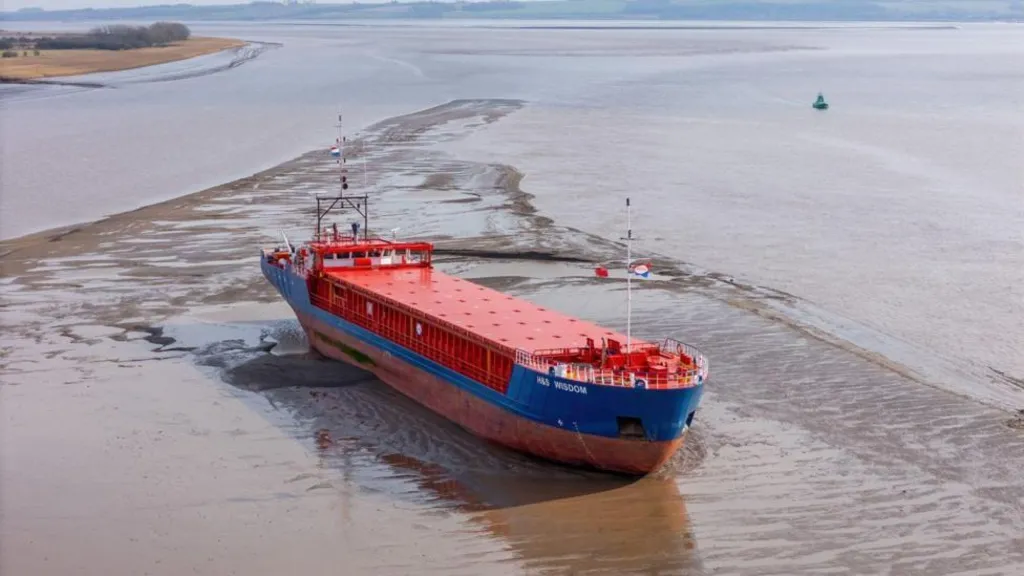
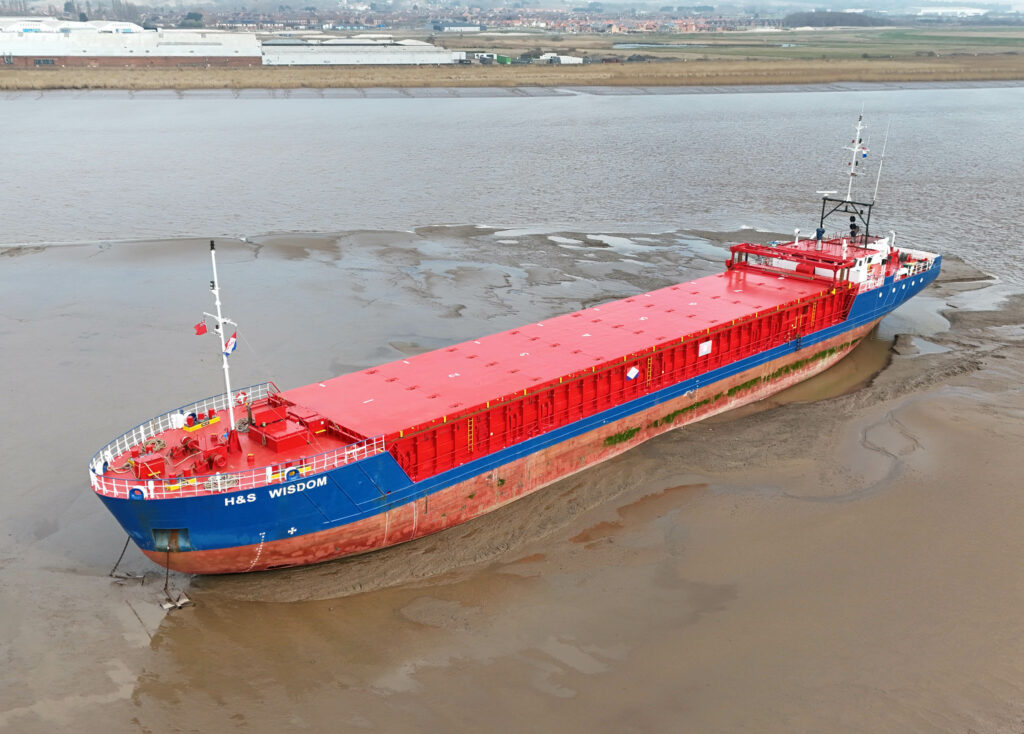
    The maritime industry witnessed a significant cargo vessel salvage operation in Humber Estuary earlier this year when the general cargo vessel H&S Wisdom ran aground on March 2, 2025. The Netherlands-flagged vessel became stranded on a sandbank near Brough while transiting from Rotterdam to Gunness Wharf Port near Scunthorpe.

    What initially appeared to be a routine grounding quickly evolved into a complex cargo vessel salvage operation requiring specialized expertise and equipment. The incident highlights the unpredictable nature of estuary navigation and the technical challenges involved in freeing a commercial vessel embedded in tidal mudflats.

    Vessel Specifications and Grounding Details

    The H&S Wisdom (IMO 9195559) is a 1,842 deadweight tonnage general cargo vessel built in 2004. With an overall length of 82 meters and an 11.3-meter beam, the vessel was designed for shallow-water operations, featuring a standard draft of approximately 11 feet (3.35 meters).

    The cargo vessel salvage operation became necessary when the H&S Wisdom deviated from the navigable channel at approximately 21:08 GMT on March 2. Maritime traffic data indicates the vessel ran aground during the evening tide on a notorious sandbank outside Brough in the Humber Estuary.

    Despite its shallow-water capabilities, the vessel became firmly embedded as tidal waters receded, creating a situation where conventional refloating methods would prove insufficient without additional interventions.

    Initial Response and Failed Refloating Attempts

    Immediately following the grounding, local maritime authorities coordinated the first response to assess the situation and attempt an initial cargo vessel salvage operation. A Humber Rescue lifeboat and a single tug were dispatched to the scene, but their efforts to free the vessel proved unsuccessful as the tide continued to recede.

    The first systematic refloating attempt occurred at approximately 07:00 GMT on March 3, when HM Coastguard Humber coordinated an operation utilizing three tugs. Despite the combined bollard pull capacity of these vessels, the effort failed due to insufficient water depth around the grounded cargo ship.

    A third attempt was made at approximately 18:00 GMT the same day, again employing three tugs during the evening tide. This cargo vessel salvage operation also proved unsuccessful, with salvage masters reporting that the H&S Wisdom had become firmly embedded in the Humber’s sticky mud flats.

    Comprehensive Salvage Strategy Development

    Following these initial setbacks, maritime officials made a sobering assessment: without significant intervention, the H&S Wisdom would likely remain aground “for the next month” until higher spring tides naturally returned to the Humber Estuary in early April.

    This projection catalyzed the development of a more comprehensive cargo vessel salvage operation approach. Dutch salvage specialists from Hebo Maritiemservice were contracted to lead the technical response, bringing specialized equipment and expertise to the challenging environment of the Humber.

    The salvage plan centered on a lightering operationโ€”the controlled transfer of cargo from the grounded vessel to reduce its draft. This approach would allow the H&S Wisdom to float higher in the water during subsequent high tides, potentially enabling a successful refloating before the April spring tides.

    Lightering Operations and Technical Challenges

    Mid-March saw the cargo vessel salvage operation enter its most technically demanding phase. Salvage crews positioned specialized barges with cranes alongside the stranded vessel, implementing an innovative approach to the lightering process.

    The operation required a pontoon to be intentionally grounded adjacent to the H&S Wisdom, creating a stable platform for cargo transfer equipment. This technical solution addressed the significant challenge of removing approximately 700 tons of steel cargo from a vessel stranded in a tidal estuary environment.

    The configuration of the Humber Estuary presented continuous challenges throughout the cargo vessel salvage operation. The complex tidal regime required precise timing of all activities, while the vessel’s position on mud flats meant that salvage crews could only access it during specific tidal windows.

    Crew Welfare and Community Support

    Throughout the extended grounding incident, six crew members remained aboard the H&S Wisdom, maintaining essential systems and assisting with the cargo vessel salvage operation where possible. Their continued presence helped preserve the vessel’s integrity while providing valuable situational awareness to salvage coordinators.

    Humber Rescue volunteers played a crucial role beyond the initial response, establishing a supply line to transport surveyors, technical specialists, and essential provisions to the vessel. This logistical support included food, fresh water, and morale-boosting items donated by local communities concerned about the welfare of the stranded mariners.

    The human element of this cargo vessel salvage operation demonstrates the maritime industry’s strong tradition of solidarity during challenging situations, with professional salvors, local authorities, and community members all contributing to the welfare of those affected by the incident.

    Successful Refloating Achievement

    The coordinated cargo vessel salvage operation culminated successfully on March 15, 2025, at approximately 19:00 GMTโ€”nearly two weeks earlier than the worst-case projections initially provided by maritime authorities.

    With the vessel’s weight significantly reduced through the lightering process and a favorable high tide providing essential water depth, tugs were finally able to free the H&S Wisdom from its entrapment on the Humber’s mud flats. The successful refloating represented the culmination of comprehensive planning, technical innovation, and precise execution by all parties involved.

    Following the refloating, escort tugs guided the vessel back into the main navigational channel before proceeding to King George Dock in Kingston upon Hull. This controlled transit enabled a thorough assessment of the vessel’s condition after its extended grounding experience.

    Technical Lessons and Industry Implications

    The H&S Wisdom incident offers valuable insights for the maritime industry regarding cargo vessel salvage operations in challenging tidal environments. Several technical aspects merit particular attention from maritime professionals and vessel operators navigating similar waterways.

    First, the case underscores the critical importance of accurate draft calculations when transiting estuarial environments with variable depths. The Humber’s combination of shifting sandbanks and significant tidal range creates navigational conditions that demand precise planning and execution.

    Second, the incident highlights the value of proactive cargo lightering as a primary technique in refloating operations, rather than relying solely on tug pulling force or waiting for seasonal tide variations. The decision to remove cargo significantly accelerated the vessel’s return to service.

    Third, the successful coordination between multiple entitiesโ€”including vessel owners, salvage specialists, local authorities, and community organizationsโ€”demonstrates the importance of unified command structures when responding to complex maritime incidents.

    Conclusion: A Model Salvage Response

    The H&S Wisdom grounding and subsequent cargo vessel salvage operation in the Humber Estuary serves as a contemporary case study in effective maritime emergency response. Despite the challenging environment and initial setbacks, the coordinated efforts of all involved parties resulted in a successful outcome weeks ahead of the most pessimistic projections.

    For vessel operators, the incident reinforces the importance of thorough passage planning when navigating confined waterways with complex hydrographic characteristics. For salvage professionals, it illustrates the effectiveness of combining traditional techniques with innovative approaches tailored to specific circumstances.

    As commercial shipping continues to navigate challenging waterways worldwide, the lessons from this cargo vessel salvage operation in the Humber Estuary provide valuable guidance for preventing similar incidents and responding effectively when groundings do occur.

    Professional Maritime Support When You Need It Most

    When maritime incidents occur, having experienced professionals on your side can mean the difference between prolonged disruption and swift resolution. Qualitas Marine Surveyors offers comprehensive support for all aspects of maritime operations, including specialized expertise in salvage operations like the H&S Wisdom case.

    Our team provides industry-leading services in Loss Prevention, Damage Surveys, Expert Witness testimony, Marine Salvage and Wreck Removal, and Marine Casualty Investigations. With Qualitas Marine Surveyors as your partner, you gain immediate access to a global network of maritime professionals dedicated to protecting your assets and interests.

    Contact us today to discover how our experienced team can deliver timely, cost-effective solutions to your most challenging maritime situations.


    References:

  • North Sea Collision Raises Concerns About Maritime Safety and Environmental Impact

    North Sea Collision Raises Concerns About Maritime Safety and Environmental Impact

    A serious maritime incident in the North Sea has highlighted the critical importance of proper navigation, emergency response protocols, and environmental protection measures after a collision between an oil tanker and a cargo ship led to a fire and potential pollution risks.

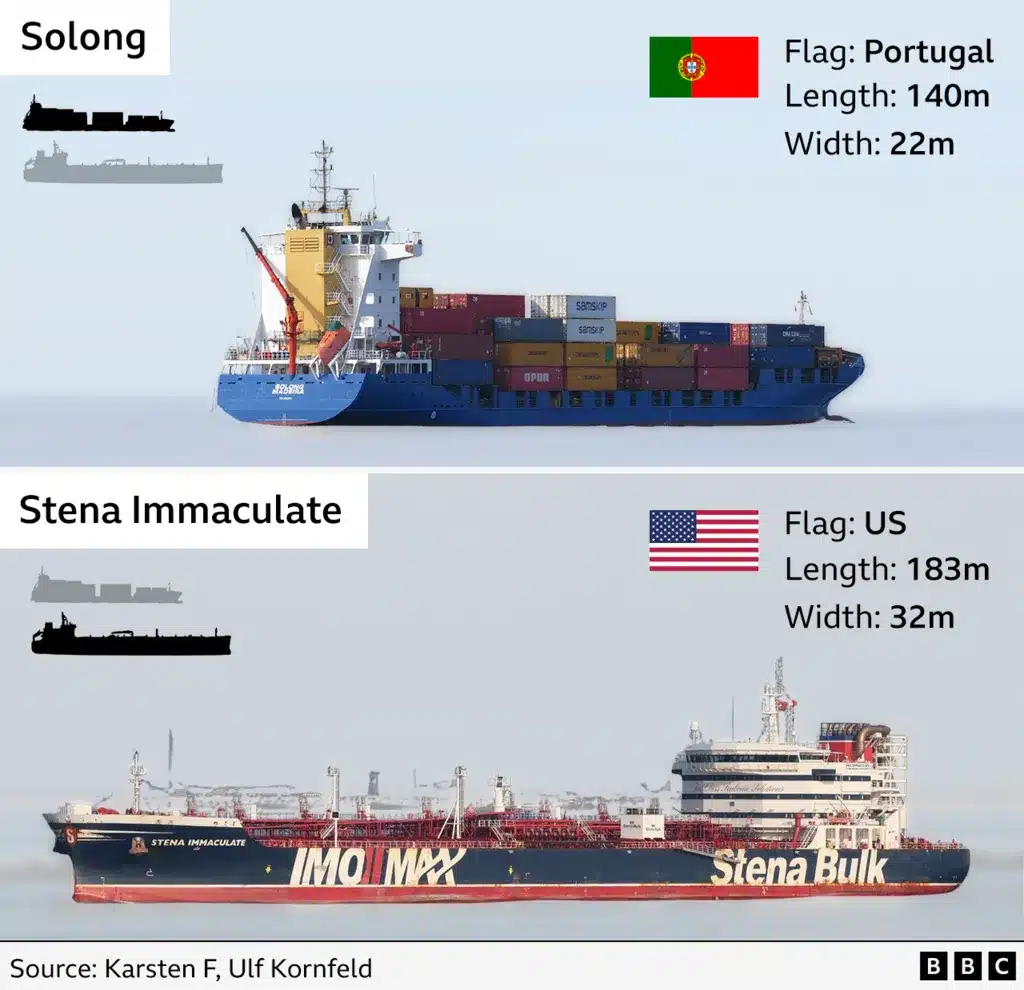
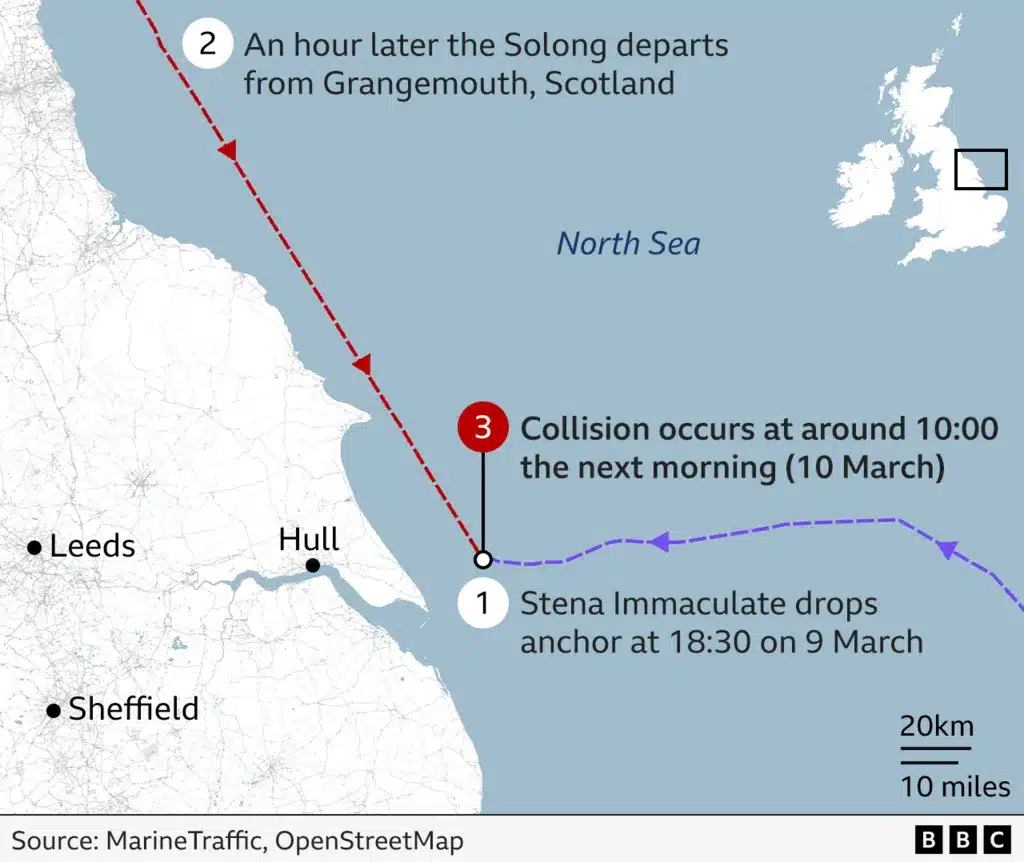
    North Sea Collision: The vessels are the oil tanker MV Stena Immaculate and a cargo ship called Solong.

    Maritime Emergency Unfolds After North Sea Vessel Collision

    The maritime community is closely monitoring developments following Monday’s collision between the tanker “Stena Immaculate” and the container ship “Solong” off the English coast. The incident has triggered a multi-agency response as authorities work to control fires on both vessels and assess potential environmental damage.

    According to British authorities, the “Stena Immaculate,” chartered by the U.S. military, was anchored approximately 15 kilometers from Hull when it was struck by the “Solong” container ship under circumstances that remain under investigation. A crew member from the tanker reported that the container ship “came out of nowhere,” suggesting potential navigation or visibility issues may have played a role in the accident.

    Ongoing Emergency Response and Environmental Concerns

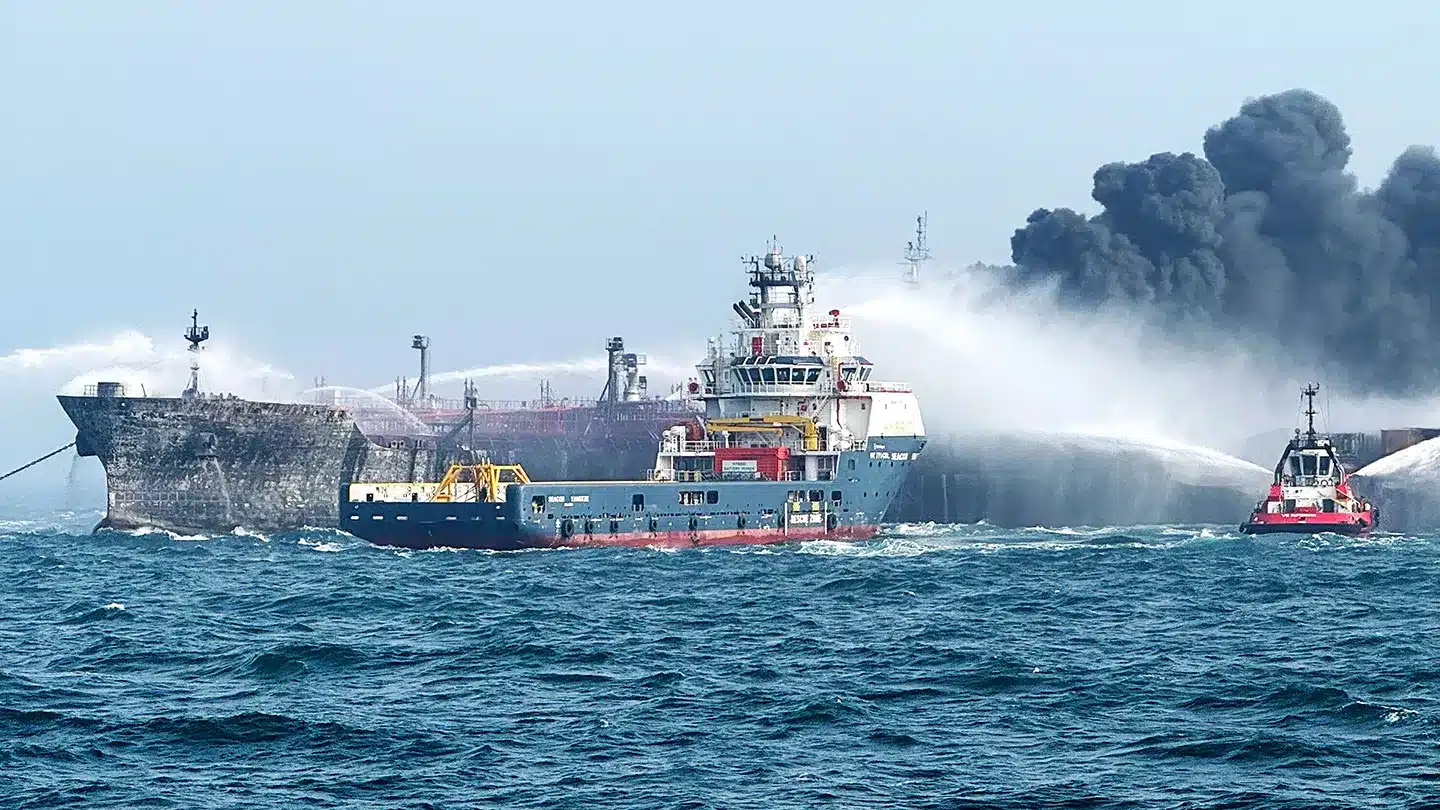
    The collision resulted in significant fires aboard both vessels, with the British Coast Guard reporting that while the fire on the tanker has “diminished considerably,” the cargo ship continues to burn. Officials also confirmed that the container ship separated from the tanker Monday evening and began drifting southward, creating additional navigation hazards in the area.

    Of particular concern is the rupture of a kerosene tank on the “Stena Immaculate,” which has raised alarms about potential environmental contamination. The tanker was reportedly carrying 220,000 barrels of kerosene, according to Lloyd’s List Intelligence, a maritime shipping information service.

    Maritime Transportation Secretary Mike Kane addressed Parliament, stating that “as things stand, no signs of contamination have been observed at this time. But vigilance is being maintained at the site.” Despite these reassurances, environmental experts warn that the situation could change rapidly.

    Daniela Schmidt, a professor of science at the University of Bristol, cautioned: “Although the primary objective is to contain the fire, pollution related to the accident has the potential to spread widely depending on currents and waves, with the risk of affecting protected areas.”

    A Downing Street spokesperson described the environmental situation as “extremely concerning,” while Greenpeace has warned of “multiple toxic hazards” to marine life resulting from the accident.

    Vessel Information and Cargo Details

    The “Stena Immaculate,” owned by Swedish company Stena Bulk, had departed from the Greek port of Agioi Teodori on February 27, bound for Killinghome in northern England. A U.S. military spokesperson confirmed that the tanker was “temporarily chartered by the Military Sealift Command,” a service that operates civilian-crewed vessels for the Department of Defense.

    The container ship “Solong,” which flies the Portuguese flag and is owned by German shipping company Ernst Russ, had departed from the Scottish port of Grangemouth early Monday en route to Rotterdam in the Netherlands.

    The German owner issued a statement refuting earlier reports about dangerous cargo, stating: “We can confirm that there are no containers loaded with sodium cyanide on board, as has been erroneously reported.” This clarification addressed concerns raised by Lloyd’s List Intelligence about potentially hazardous cargo.

    Human Impact and Investigation

    Tragically, Maritime Transportation Secretary Mike Kane informed Parliament that “our hypothesis is that, sadly, the sailor has died,” referring to the missing crew member from the “Solong.” This development underscores the human cost of maritime accidents and the dangers faced by seafarers.

    The Humberside Police announced Tuesday that they had “arrested a 59-year-old man on suspicion of manslaughter by gross negligence in connection with the collision.” No further details about the arrest were provided, though a government spokesperson maintained that “there is no reason to think at this time that this is a criminal act,” suggesting the focus remains on investigating potential negligence rather than intentional wrongdoing.

    North Sea Collision: Data from tracking site MarineTraffic appears to indicate that one ship was moving and the other was nearly stationary when the collision happened.

    Maritime Safety Implications

    This incident highlights several critical aspects of maritime safety that industry professionals continue to emphasize:

    1. The importance of proper lookout and navigation procedures, particularly in busy shipping lanes
    2. The need for effective communication between vessels operating in proximity
    3. The critical nature of emergency response protocols to manage fires and potential pollution
    4. The challenges of containing environmental damage when petroleum products are involved in maritime accidents

    Maritime safety experts point out that although modern navigation technology has significantly improved vessel safety, human factors and decision-making remain crucial elements in preventing collisions and other accidents at sea.

    Environmental Monitoring Continues

    British authorities have implemented environmental monitoring protocols following the collision. The Coast Guard reported that “the Ministry of Environment has confirmed that air quality at ground level is currently within normal limits for weather conditions.” However, experts caution that water quality impacts may take longer to manifest and could affect a wider area depending on currents and weather conditions.

    The location of the accident has raised particular concerns due to its proximity to environmentally sensitive areas in the North Sea. Environmental agencies continue to monitor for signs of petroleum contamination that could affect marine ecosystems.

    Industry Response

    The maritime industry will be watching the investigation closely, as findings could lead to updated safety recommendations or regulatory changes. Previous major maritime incidents have often resulted in significant improvements to international maritime safety standards and practices.

    Shipping companies are likely to review their own navigation and emergency response procedures in light of this incident, particularly those operating in the busy North Sea shipping lanes where visibility can be challenging and vessel traffic is dense.

    Expert Maritime Support in Emergencies

    Maritime incidents like the North Sea collision require specialized expertise to manage the immediate emergency, assess damage, investigate causes, and mitigate environmental impacts. Professional marine surveyors and casualty investigators play a crucial role in these situations, providing technical expertise and independent assessment.

    Getting Expert Help After Maritime Incidents

    When maritime accidents occur, swift and professional response is essential to minimize damage, protect the environment, and determine causes. Qualitas Marine Surveyors offers comprehensive services specifically designed to address these critical needs.

    With extensive experience in marine casualty investigation, Qualitas Marine Surveyors can provide expert assessment following incidents like the North Sea collision. Their services include:

    For vessel owners, operators, insurers, and authorities dealing with maritime emergencies, engaging qualified marine surveyors ensures proper documentation, professional assessment, and expert guidance through the complex aftermath of marine casualties.

    For immediate assistance with marine casualties, damage assessment, or casualty investigation, contact Qualitas Marine Surveyors for professional support from experienced maritime specialists.

  • Black Sea Ecological Disaster: Russian Tankers Sink in Kerch Strait

    Black Sea Ecological Disaster: Russian Tankers Sink in Kerch Strait

    A Catastrophic Maritime Incident Unfolds

    The Black Sea faces a severe environmental threat following the sinking of two Russian tankers in the Kerch Strait on December 15, 2024. This maritime catastrophe marks another significant ecological challenge in a region already devastated by ongoing conflict and environmental degradation.

    Detailed Incident Overview

    The two vessels, both operated by the Russian company Volgotanker, succumbed to severe weather conditions in a critical maritime corridor. The Volgoneft-212, a 55-year-old tanker, dramatically split in half, while the Volgoneft-239 ran aground in the same treacherous area. Together, these vessels were carrying approximately 9,200 tonnes of fuel oil, primarily low-grade heavy fuel destined for the Russian navy.

    Historical Context of Maritime Challenges

    The Kerch Strait has a troubling history of maritime incidents. In 2007, a similar disaster occurred when the Volgoneft-139 spilled over 1,300 tonnes of oil, causing widespread environmental damage that persisted for years. The current incident eerily echoes this past ecological catastrophe, raising serious questions about maritime safety and vessel maintenance.

    Kerch Strait, Ukraine, Russia, near natural colors satellite image
NASA, Public domain, via Wikimedia Commons

    Rescue and Immediate Response

    Russian emergency services launched an extensive rescue operation, deploying multiple resources including tugboats and helicopters. More than 50 personnel were involved in the critical mission, which resulted in the rescue of most crew members. Tragically, one crew member lost their life during the incident, underscoring the perilous nature of maritime operations in challenging conditions.

    International and Environmental Implications

    Environmental experts have expressed grave concerns about the potential long-term impact. Paul Johnston from Greenpeace Research Laboratories warned of the severe consequences of the heavy residual fuel oil spill. The type of oil involved threatens to cause significant and potentially long-lasting damage to marine habitats, with the potential to foul shorelines and disrupt delicate marine ecosystems.

    Geopolitical and Ecological Context

    The incident occurs against a backdrop of ongoing conflict and environmental stress in the region. Since the 2022 Russian invasion of Ukraine, the Black Sea has experienced substantial ecological disruption. Military activities have already caused significant damage, with scientists documenting alarming declines in marine life populations, including dolphins, molluscs, and crustaceans.

    Political Responses and Accusations

    Ukrainian officials have been quick to criticize Russia’s maritime practices. Dmytro Pletenchuk, Ukraine’s navy spokesperson, condemned the operation of aging vessels in dangerous conditions, describing the incident as a “reckless” act. The incident has further heightened tensions in a region already marked by significant geopolitical conflict.

    Broader Maritime Safety Concerns

    The sinking highlights ongoing concerns about maritime safety, particularly in regions with challenging environmental conditions. While the tankers involved do not appear to be part of the so-called “ghost fleet” of poorly maintained vessels, the incident raises critical questions about the safety of aging maritime infrastructure.

    Potential Environmental Consequences

    Experts predict the environmental impact could be substantial. The heavy fuel oil threatens to cause extensive damage to marine ecosystems, potentially contaminating shorelines and disrupting marine life for years to come. The priority remains minimizing further spillage and preventing prolonged leakage of oil and petrochemicals.

    Conclusion: A Continuing Environmental Challenge

    This maritime disaster represents more than just a singular incident. It is a stark reminder of the ongoing environmental vulnerabilities in the Black Sea region, exacerbated by conflict, aging infrastructure, and increasingly challenging maritime conditions.

    As investigations continue and cleanup efforts begin, the incident serves as a critical call for improved maritime safety, environmental protection, and responsible vessel management in one of the world’s most strategically important maritime regions.

    Professional Maritime Support Services

    For organizations and stakeholders seeking expert maritime assessment and support in similar critical scenarios, Qualitas Marine Surveyors (QMS) offers specialized services tailored to maritime emergencies:

    Damage Survey Services QMS provides comprehensive damage assessment capabilities, including:

    • Precise cause and extent identification of maritime incidents
    • Detailed repair specifications and cost estimation
    • Expert representation during repair and recovery processes

    Marine Salvage and Wreck Removal Our maritime consultants specialize in:

    • Crisis management and risk mitigation
    • Operational planning for emergency responses
    • Competitive cargo and equipment salvage strategies

    With our commitment to excellence and industry-leading expertise, Qualitas Marine Surveyors stands ready to support maritime operations in navigating complex challenges and minimizing potential environmental and economic risks.

  • Lifting Equipment Inspection and Certification on Ships: Ensuring Safe Operations

    Lifting Equipment Inspection and Certification on Ships: Ensuring Safe Operations

    Lifting equipment inspection and certification on ships is a critical aspect of maintaining both safety and operational efficiency on board vessels. Lifting equipment such as cranes, hoists, and winches play a vital role in cargo handling, maintenance tasks, and various operations. To ensure that these systems function properly and safely, regular inspection and certification are necessary to avoid failures that could lead to injury or loss.

    The Importance of Lifting Equipment Inspection and Certification

    Lifting equipment is essential for moving heavy loads on board ships. It is used in cargo operations, maintenance, and even rescue operations, making it a crucial part of a ship’s daily activities. However, over time, lifting appliances are subjected to harsh conditions that can result in wear and tear, material defects, or mechanical issues. Lifting equipment inspection and certification on ships help ensure these systems remain in optimal working condition, safeguarding both the crew and cargo.

    Regular inspection and certification verify that the lifting appliances are functioning within their Safe Working Load (SWL) limits and comply with international maritime standards. This process includes checking for defects, material fatigue, and mechanical failures that could compromise the safety and reliability of the equipment. Routine inspections help identify potential problems before they cause significant damage, improving overall safety on board.

    The Role of Regular Testing and Maintenance

    To ensure lifting equipment remains safe to use, regular testing and maintenance are essential. Ship owners must comply with the regulations set by the Flag State Administration, which outlines the required frequency of testing and certifications. Experts also recommend conducting annual examinations to assess the condition of lifting appliances, ensuring they are free from defects, wear, or other issues that could affect their performance.

    Besides visual inspections, these tests check all crucial components, including hoists, pulleys, and wire ropes, for signs of damage or degradation. Any issues detected during these inspections should be addressed immediately by repairing or replacing damaged parts. Proper maintenance ensures that lifting equipment operates reliably and within safe operational parameters.

    Outsourcing Testing Services: Ensuring Quality and Compliance

    In some cases, the Flag State Administration may outsource the responsibility for inspecting lifting equipment to third-party contractors. While this can provide specialized expertise, it is essential for ship owners to verify that these contractors follow proper testing procedures and adhere to safety standards. During testing, the load applied must align with the SWL to ensure that the appliance is assessed correctly.

    To avoid discrepancies and ensure compliance, ship owners should work with certified marine surveyors or experienced contractors with a proven track record in conducting lifting equipment inspections. This ensures that lifting equipment is tested and certified according to regulatory standards.

    Crew Training and Risk Assessment: Key Components of Safety

    Crew training and maritime risk assessments are integral parts of lifting operations. Human error is responsible for a significant portion of lifting appliance failures, with 59% of incidents attributed to human factors. Proper training ensures that crew members understand how to operate lifting equipment safely, recognize potential risks, and respond effectively in case of emergencies.

    Before conducting any lifting operation, a thorough risk assessment should be performed. This process evaluates the potential hazards involved and ensures that safety measures are in place to mitigate those risks. When crews are properly trained and aware of the risks, the likelihood of accidents decreases substantially.

    Building a Strong Ship Safety Culture

    A strong ship safety culture is essential for reducing the risk of incidents related to lifting equipment. Safety on board should be an ongoing priority, with ship owners actively promoting a culture where equipment is routinely checked, maintained, and replaced when necessary. If lifting equipment shows signs of wear, it should be repaired or replaced promptly to avoid failures during operations.

    By fostering a safety-focused environment, ship owners can ensure that all personnel are committed to operating equipment safely, maintaining a high standard of operational excellence and reducing the likelihood of accidents.

    How Qualitas Marine Surveyors Can Support Ship Owners

    Qualitas Marine Surveyors provides comprehensive services for lifting equipment inspection and certification on ships, helping ship owners meet industry standards and maintain their equipment in safe working condition. Their expert inspections ensure that lifting appliances comply with all necessary regulations, minimizing the risk of failures and accidents.

    Partnering with a professional marine surveyor like Qualitas ensures that lifting equipment is thoroughly examined, tested, and certified according to the highest standards. Ship owners can rely on these services to keep their operations running smoothly and safely.

    Conclusion

    Lifting equipment inspection and certification on ships are fundamental to ensuring safe operations and minimizing risks associated with lifting tasks. Regular testing, ongoing maintenance, and thorough crew training all contribute to maintaining equipment in optimal condition. By investing in these safety measures, ship owners can significantly reduce the risk of equipment failures and human error, ultimately safeguarding the crew, cargo, and vessel.

    Creating a robust safety culture and partnering with experienced marine surveyors like Qualitas Marine Surveyors further enhances safety and ensures compliance with regulatory requirements. By prioritizing safety and maintenance, ship owners can ensure that their lifting equipment remains reliable and efficient throughout its service life.

  • Selecting Boat Surveyors

    Selecting Boat Surveyors

    Boat surveyors are vital to the boating industry, providing essential services that insurance companies and customers alike depend on. Gaining an understanding of the significance of boat surveys will enable you to proceed with better confidence when buying and insuring a boat. These professional assessments can give you peace of mind that your vessel is in excellent shape and prepared for any expedition. Knowing the value of a boat survey is crucial, regardless of whether you’re purchasing or insuring a vessel.

    Professional Expertise and Comprehensive Assessments

    Boat surveyors are experts in determining a vessel’s worth and condition. Their assessments are thorough and address every aspect of the boat, including its mechanical systems, safety equipment, and structural integrity. During these detailed inspections, surveyors examine everything from the hull’s condition to the functionality of navigation equipment. By conducting a comprehensive examination, prospective buyers can avoid costly mistakes by being fully informed about the boat’s condition before making a purchase. Pre-Purchase surveys are an evaluation carried out by a certified marine surveyor who checks the boat’s condition and market value, providing crucial information for negotiation and decision-making.

    Choosing the Right Marine Surveyor

    When selecting a marine surveyor, focusing on key qualifications and avoiding certain red flags can ensure that you receive a thorough and impartial assessment of the boat. It’s essential to verify that your chosen surveyor is a member of a recognized certification body such as the Society of Accredited Marine Surveyors (SAMS) and/or National Association of Marine Surveyors (NAMS). These organizations maintain directories to help locate qualified surveyors around the world and ensure their members maintain high professional standards through ongoing education and certification requirements.

    Red Flags to Watch For

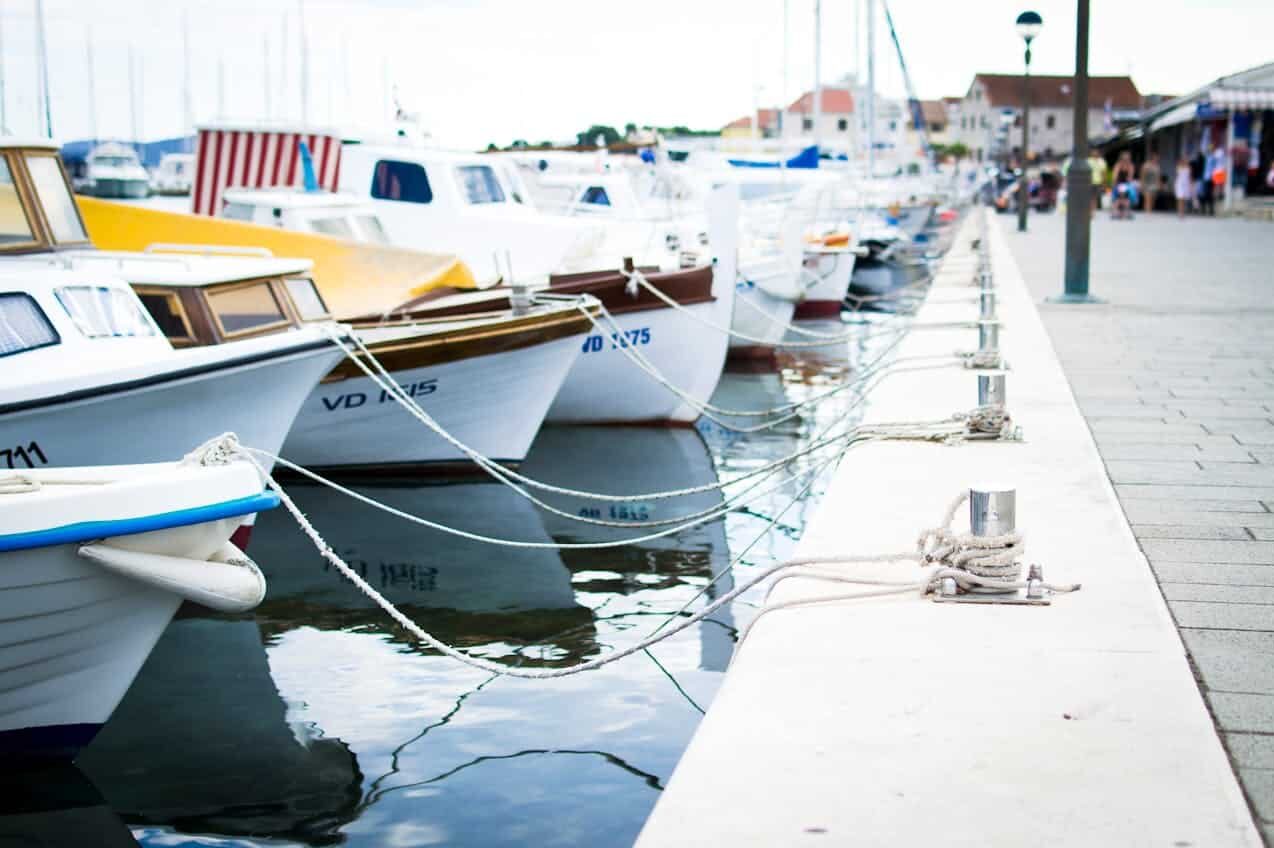
    Hull check - Boat Survey

    It is important to avoid surveyors with a lack of accreditation and those without formal education in a technical maritime discipline. Experience is crucial – surveyors should have extensive prior experience and should be able to provide proof of the same through references and past survey reports. Be wary of surveyors offering a broad array of unrelated services to the marine environment, as this may signal a lack of specialized expertise. Additionally, stay away from surveyors who offer “virtual surveys,” as proper boat assessment requires hands-on inspection and physical presence.

    The Insurance Perspective

    Insurance companies frequently require a survey to be completed by a certified yacht surveyor before granting insurance coverage. The surveyor’s report provides insurers with all the specific details they require to evaluate the risk of covering the boat. This includes identifying any current repairs or alterations that might compromise the vessel’s worth or safety. In the absence of this thorough evaluation, insurers could be reluctant to provide coverage or might significantly raise rates to compensate for unknown risks.

    Safety Compliance and Regulations

    Boat surveyors also ensure that safety rules and guidelines are being followed, which is crucial for both insurance and legal compliance. This minimizes risks to passengers and the environment by confirming that the boat satisfies all relevant regulations. Insurance companies often view vessels that meet or exceed safety criteria as lower-risk investments, potentially resulting in more favorable insurance terms for boat owners.

    Value Assessment and Insurance Considerations

    A thorough inspection includes a fair market value assessment of the boat, which is critical for insurance purposes. This evaluation influences the quantity of coverage required and ensures that the boat is neither overinsured, which would result in unnecessarily high premiums, nor underinsured, which could leave the owner financially vulnerable in the event of a claim. Professional surveyors use their expertise and current market knowledge to provide accurate valuations that benefit both owners and insurers.

    Conclusion

    One cannot overstate the importance of boat surveyors in the purchasing and insurance processes. Their knowledge and assessments provide buyers, dealers, and insurance providers with the vital information they need to make wise decisions. With proper surveying, boat owners can better protect their investment and enjoy their time on the water with greater confidence and security.

  • The importance of Pre-Vetting Inspections on new OCIMF SIRE 2.0 Tanker Inspection Program

    The importance of Pre-Vetting Inspections on new OCIMF SIRE 2.0 Tanker Inspection Program

    The Ship Inspection Report Programme (SIRE) has long served as a cornerstone in the maritime sector for assessing vessel conditions and operational excellence. However, the industry is now witnessing a paradigm shift with the introduction of SIRE 2.0, a state-of-the-art digitalized tanker inspection program.

    Spearheaded by the Oil Companies International Marine Forum (OCIMF), this innovative initiative marks a significant step forward in modernizing vessel evaluation methodologies and ensuring enhanced safety standards across the maritime domain.

    Navigating the Implementation of SIRE 2.0: A Closer Look at Phase 1

    The rollout of SIRE 2.0 unfolds across four meticulously planned stages, each designed to ensure a seamless transition and optimal performance. Currently in Phase 1, which encompasses rigorous internal testing, a collaborative effort involving OCIMF’s secretariat, appointed inspectors, submitting firms, and vessel operators is underway.

    This comprehensive evaluation process scrutinizes every aspect of the system, paving the way for subsequent phases and reinforcing the program’s commitment to excellence.

    Commencing Phase 1 of the groundbreaking SIRE 2.0 tanker inspection initiative marks a pivotal moment in enhancing vessel vetting procedures.

    The meticulous phased rollout, tailored to address stakeholder feedback, ensures both the program and its users are thoroughly prepared to embrace this innovative approach to tanker assessment.

    Optimizing Tanker Evaluation: Leveraging the Advantages of Pre-Vetting Inspections

    Owners stand to gain significant advantages through Pre-Vetting inspections, aligning their vessels with the latest mandates of OCIMF SIRE 2.0. The integration of tablet-based inspections, dynamic question sets, heightened focus on human factors, and a comprehensive overhaul of inspection protocols underscore the transformative impact of SIRE 2.0.

    These enhancements not only streamline the inspection process but also revolutionize the approach to evaluating tankers across various sizes.

    Revolutionizing Maritime Safety: Embracing the Era of SIRE 2.0

    As the maritime industry evolves, SIRE 2.0 emerges as a beacon of progress, ushering in a new era of vessel evaluation. Spearheaded by OCIMF, this digitalized inspection program represents a significant leap forward in enhancing safety standards and operational efficiency across the seas.

    With a meticulous rollout plan spanning multiple phases, SIRE 2.0 ensures a smooth transition and optimal performance. Phase 1’s rigorous internal testing sets the stage for comprehensive evaluation, involving key stakeholders to refine the program’s effectiveness.

    The commencement of Phase 1 signals a pivotal moment in advancing vessel vetting procedures. Through Pre-Vetting inspections, owners align their vessels with the latest standards, leveraging innovative features like tablet-based inspections and dynamic question sets.

    These enhancements not only streamline the process but also redefine how tankers are evaluated, reinforcing the industry’s commitment to excellence and maritime safety.

  • Cargo fire risks are on the rise

    Cargo fire risks are on the rise

    Several factors is increasing the risk of fires at sea. Hazardous and combustible goods are increasingly transported by containers, while the prevalence of Lithium-ion batteries poses a growing risk for both container shipping and car carriers. At the same time, these hazardous cargos are increasingly transported by large vessels, where the consequences of fires are amplified, resulting in sizable losses.

    New hazardous cargoes

    Technology advances are leading to new types of cargo, some more hazardous than in the past, such as electric scooters and battery-powered goods. A lot of goods that normally utilized conventional power are now battery powered and that trend will continue. These new cargos mean new risks.

    Fire is one of the the biggest causes of general average claims on container vessels, and one of the main causes of total losses across all vessel types with 64 ships lost in the past five years alone. With upwards of 20,000 containers on board some vessels, the risk of a fire originating from a container has increased. Fighting a fire at sea is particularly difficult for a crew of just 20 to 30 people. A fire on a single container, can easily lead to the loss of an entire vessel and its cargo.

    Most recent incidents

    Recent incidents include the ZIM Charleston fire in August 2022, in which some 300 containers were reportedly damaged. Also the TSS Pearl in the Red Sea in October 2022 sank after the crew were forced to abandon ship.

    When we look at significant general average incidents involving container vessels over the past five years, they are largely related to fires.  General average risk these days comes down to fire, and the majority of these incidents are related to mis-declaration of cargo.

    General Average is the principle that essentially establishes that all sea cargo stakeholders, such as owner, shipper, and other parties, evenly share any damage or losses that may occur as a result of voluntary sacrifice of part of the vessel or cargo to save the whole in an emergency.

Join Our Amazing Team!
Final level only, e.g. for college/university entrance
Please indicate the date, organization and certificate/diploma of the training courses you have.
Please indicate which can be supported by your experience.
Enter in chronological order with present or most recent experience listed first